(1)-RxJC.png)

On November 14, amid the mild autumn scenery of South China and the sweet fragrance of osmanthus blossoms, the Rhododendron Hall on the 5th Floor—the largest lecture hall within the venue of the 22nd China Hi-Tech Fair (CHTF) at Shenzhen Convention & Exhibition Center—welcomed a full house of distinguished guests and industry elites.
Due to the pandemic, the forum did not see the usual bustling assembly of renowned global IP practitioners and elites from all walks of life with diverse nationalities and languages as in previous years. Nevertheless, overcoming the disruptions and challenges brought by COVID-19, the 3rd International Forum on Technological Innovation and Intellectual Property Protection was successfully staged at a high standard, remaining a high-level, influential international professional event.
Representatives from well-known international organizations including the AIPPI China Chapter attended the forum once again. Over 100 delegates from world-famous IP service institutions across more than 20 countries and regions, high-caliber experts, scholars, and IP directors from leading domestic and overseas enterprises participated both on-site and online, with live streaming available throughout the event. The total number of on-site attendees and online viewers exceeded 1,000.
Organizing Entities
The forum was hosted by the Shenzhen Association for Science and Technology. Co-hosts: Shenzhen University, China (Shenzhen) Center for the Protection of Intellectual Property Rights, Nanshan District Bureau of Science, Technology and Innovation of Shenzhen, Shenzhen Enterprise Science and Technology Innovation Association, Intelligent Display Terminal Intellectual Property Alliance, and Shenzhen Federation of Engineers. Organizers: Technology Transfer Center of Shenzhen University, Johnson Intellectual Property Agency (General Partnership), Guangdong Fair Law Firm, Johnson International Intellectual Property Co., Limited (Hong Kong), and Shenzhen Automation Society. Co-organizers: China (Foshan) Center for the Protection of Intellectual Property Rights, Zhuhai Hengqin Huafa Seven-String Zither Intellectual Property Service Co., Ltd., TSUTSUI & ASSOCIATES, CSC Company, LawPlus Ltd., Shenzhen Zhongcailian Technology Co., Ltd., and Bay Area MBA Elite Club.
This year marked the 40th anniversary of the founding of the Shenzhen Special Economic Zone. Forty years of reform and opening-up have brought tremendous transformation and fruitful achievements. In his speech delivered at the Celebration of the 40th Anniversary of the Founding of the Shenzhen Special Economic Zone, General Secretary Xi Jinping quoted a line: "What seems plain and unremarkable holds extraordinary ingenuity; achievements that look effortless come only through untold hardships." Every milestone in the development of Shenzhen and other special economic zones has been hard-won through relentless efforts. The remarkable reform and development accomplishments of these zones stem from the firm leadership of the CPC Central Committee, the pioneering spirit of cadres and the general public, and extensive support from people across the country and all sectors of society. This wisdom equally applies to building Shenzhen into a benchmark city for technological innovation and intellectual property rights.
Vice President Wang Hui of Shenzhen University delivered the opening address. He noted that Shenzhen University is a city university rooted in, growing alongside, and serving Shenzhen. The university has always taken serving national strategies and regional economic and social development as its core goal for technological innovation, actively advancing the transformation and industrialization of research outcomes. Currently, the university engages 39 academicians from home and abroad and Nobel laureates, alongside 204 high-level talents of various categories. Its number of published international PCT patent applications has ranked first among Chinese universities for three consecutive years, and third globally in 2019. Established in 2011, the Technology Transfer Center of Shenzhen University regularly hosts the "SZ Trend" Industry-University-Research Roadshows, having promoted over 100 scientific and technological achievements to date.
"Today we gather here to discuss technological innovation and IP protection, which stands as solid testimony to our shared pursuit," Vice President Wang stated. Shenzhen University looks forward to forging close exchanges and cooperation with all participating institutions and relevant organizations across society, jointly advancing university technological innovation and achievement commercialization, providing technical backing for innovation-driven development in the Greater Bay Area, and making tangible contributions to building the Shenzhen Pilot Demonstration Zone for Socialism with Chinese Characteristics.
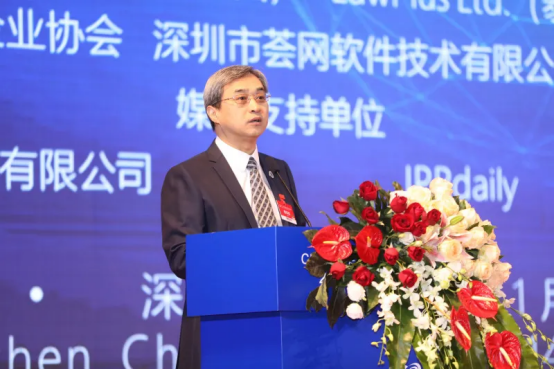
Li Yi, Secretary-General of AIPPI China Chapter—the world’s largest international non-governmental IP organization with the broadest global membership footprint—delivered a speech titled About AIPPI. He outlined AIPPI’s mission, century-long history, global cooperation track record, extensive collaborative initiatives with China, and future partnership prospects. On-site, he extended a warm invitation to IP professionals both present and online: all are welcome to attend the 2020 AIPPI World Congress, scheduled to take place in Hangzhou in October 2021. This will mark the first time the flagship AIPPI congress has been hosted in China in the organization’s 120-plus years of history.
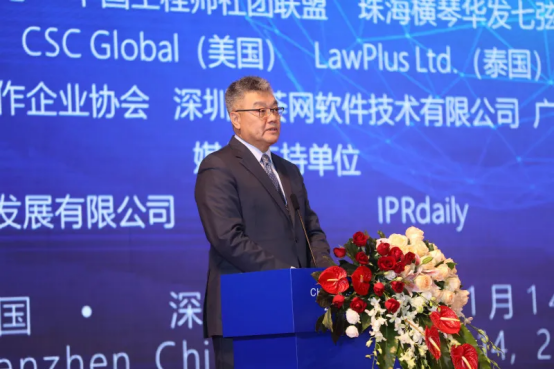
Li Yuan, Deputy Director of the IP Protection Division under the Shenzhen Municipal Intellectual Property Administration, highlighted Shenzhen’s "Four Pioneering Initiatives" in IP protection during her speech:
1. Taking the lead in establishing a sound regulatory framework for intellectual property protection;
2. Taking the lead in building a rapid collaborative IP protection service system;
3. Taking the lead in fostering a robust innovation ecosystem centered on intellectual property;
4. Taking the lead in developing an overseas IP rights assistance mechanism.
She elaborated on the outstanding results delivered through these initiatives. Standing at the new milestone of the SEZ’s 40th anniversary, Shenzhen will seize the historic opportunities brought by the development of the Guangdong-Hong Kong-Macao Greater Bay Area and the Shenzhen Pilot Comprehensive Reform Program, striving to pioneer a national benchmark city for intellectual property protection.
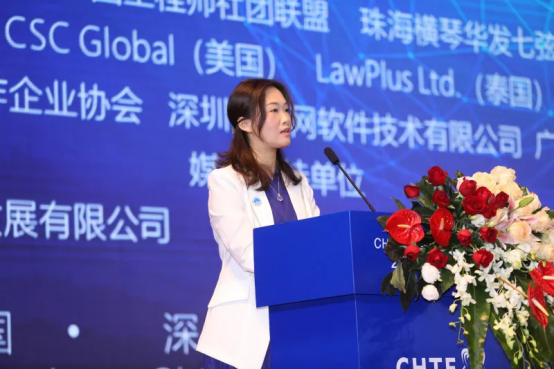
Song Yang, Director of China (Shenzhen) Center for the Protection of Intellectual Property Rights, presented a speech titled Comprehensive IP Protection Fuels High-Quality Technological Innovation. He reflected that the past 40 years of the Shenzhen Special Economic Zone represent four decades of reform and innovation, as well as four decades witnessing the evolution of China’s IP system from scratch to maturity. Innovation is the foundation of development, and intellectual property constitutes the bedrock of innovative growth. The Protection Center will comprehensively upgrade its integrated IP service capacity, develop a top-tier domestic protection center with high standards and quality, drive balanced industrial innovation across Shenzhen, and deliver more comprehensive, premium integrated IP services to bolster local industrial advancement.
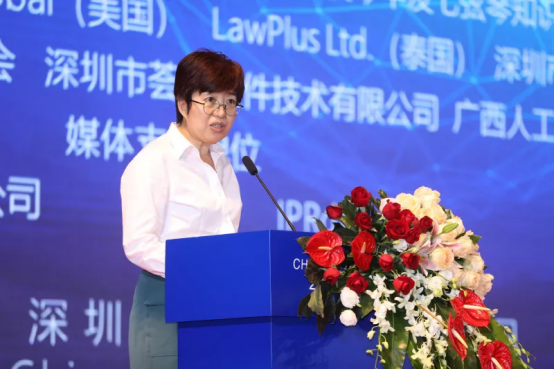
Liu Shiming, Director of Nanshan District Bureau of Science, Technology and Innovation, joked that he embraces the industry nickname "IP Enthusiast," as high-quality economic growth in China cannot progress without technological innovation and robust intellectual property systems. Nanshan’s thriving development is underpinned by its concentration of talent and influential, high-performing enterprises. Amid the unprecedented global changes unfolding today, the dual opportunities and competition facing the industry raise critical questions for technology practitioners, with intellectual property serving as an indispensable core component. Talents are the core driver of innovation; only by building full-spectrum talent support systems can technological innovation gain solid traction. The district will develop dedicated IP service and protection hubs to deliver premium services for world-class enterprises.
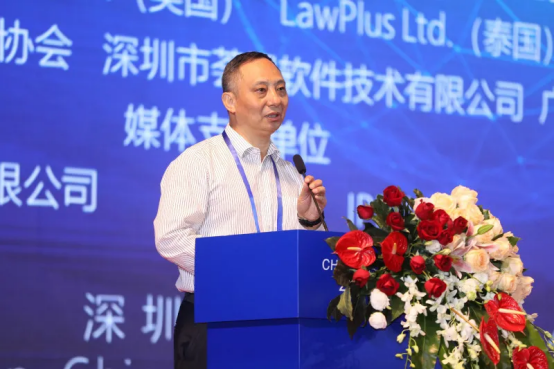
Song Liuping, Senior Vice President of Huawei Technologies Co., Ltd. and Chairman of the Intelligent Display Terminal Intellectual Property Alliance, argued that intellectual property is a global issue delivering benefits to all nations, industries and individuals, and global collaboration in IP development must be vigorously promoted. The world is undergoing profound shifts, advancing toward a fully connected ecosystem featuring smart, interconnected everything. Digital transformation will exert far-reaching impacts on all industrial sectors and public governance. Traditional industry silos will break down, with cross-industry integration and convergence emerging as the dominant development trend. Globally, commercial landscapes are reshaping, accompanied by shifts in policy, legal frameworks and power dynamics, as nations recalibrate their standing within the global industrial and intellectual property landscape. China must voice its perspectives on mainstream international IP agendas, a critical step to cementing the country’s global competitiveness.
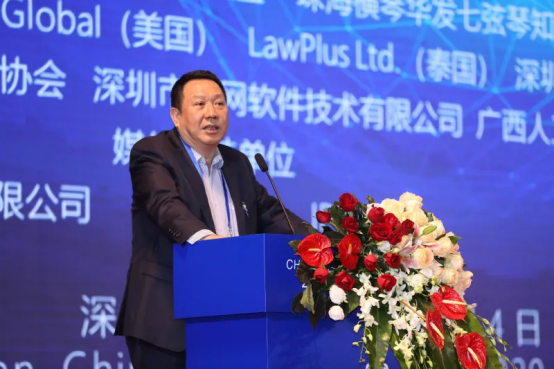
Su Jing, Director of Intellectual Property at BOE Technology Group Co., Ltd., delivered a presentation Technological Innovation and IP Protection at BOE. She shared that BOE centers its open innovation platform on corporate development strategy, featuring targeted patent layout, in-depth collaboration, coordinated innovation and global talent integration. IP risk management runs through every link of corporate operations—covering R&D, procurement, production and sales—with comprehensive analysis spanning technology, legal compliance and market dynamics.
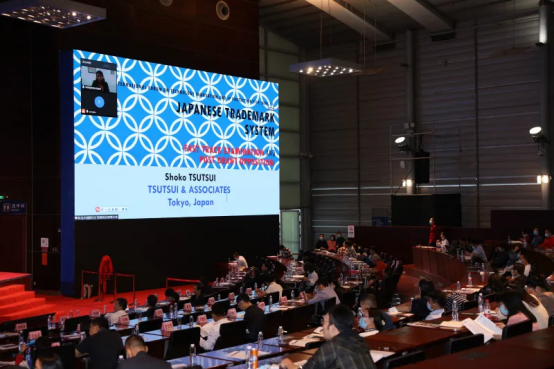
Foreign IP industry representative Akiko Tsutsui from TSUTSUI & ASSOCIATES delivered two keynote speeches: How to Accelerate Japanese Trademark Examination Timelines and Differences Between Trademark Opposition Systems in China and Japan. She noted that China files the largest volume of trademark applications entering Japan, yet Japan’s average trademark examination cycle stretches 12 to 14 months, with only 13% of trademark opposition applications successful, compared to China’s 44.8%. This disparity carries significant implications for Chinese applicants, and she shared key guidance on navigating Japan’s trademark filing procedures.
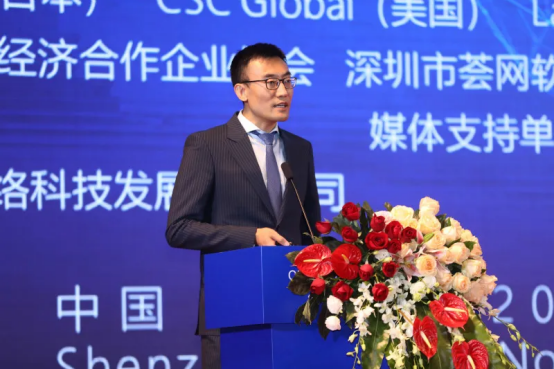
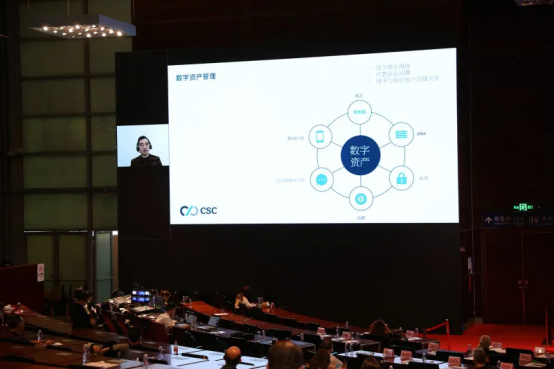
Guan Yibin, Greater China General Manager of CSC Company, a firm providing cybersecurity solutions for large enterprises, shared insights on digital intellectual property, outlining a three-stage framework for digital asset governance: digital asset management, full-network monitoring, and online rights enforcement. Effective cross-border online IP enforcement requires global operational capabilities and multi-lingual support infrastructure.
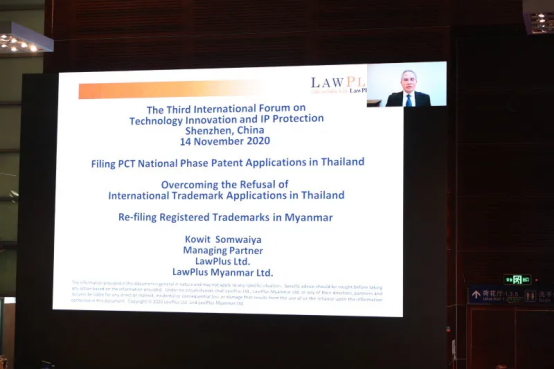
Kowit Somwaiya from LawPlus Ltd. covered practical cross-border IP issues, including procedures for entering Thailand via PCT international applications, strategies to overcome Madrid Protocol trademark rejections in Thailand, and mandatory re-filing requirements for pre-existing registered trademarks in Myanmar.
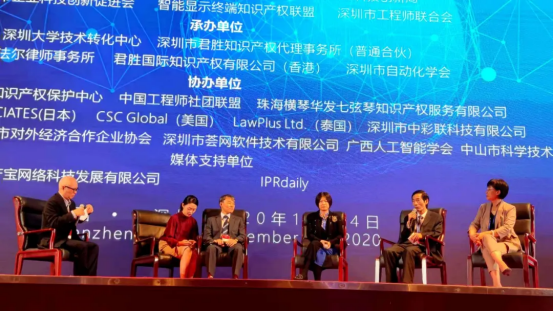
Subsequently, a roundtable discussion themed Seizing Historic Opportunities to Build a National Benchmark City for Intellectual Property Protection was held, moderated by Liu Wenqiu, Executive Chairman of the Shenzhen Enterprise Science and Technology Innovation Association and Founding Partner of Johnson Intellectual Property Agency. Four distinguished panelists participated in in-depth, forward-looking deliberations with lively exchanges of viewpoints:
· Lee Seung-seop, Intellectual Property Consul at the Consulate General of the Republic of Korea in Guangzhou;
· Wang Jinjing, General Manager of China Merchants Qihang Investment Management Co., Ltd.;
· Tian Weiping, Secretary-General of the Intelligent Display Terminal Intellectual Property Alliance;
· Xu Yanli, Director of the Technology Transfer Center of Shenzhen University.
The panel explored a wide range of topics: existing IP protection practices and prevalent challenges; perspectives and countermeasures on innovation investment; expectations for Shenzhen’s development as a national IP protection benchmark city; and new strategies and targets for the evolving industry landscape.
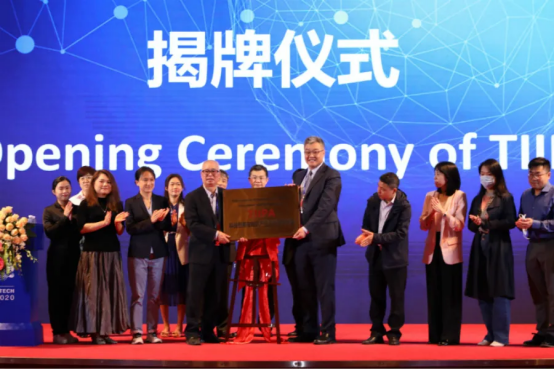
A series of solemn ceremonies took place during the forum: the unveiling and certification of the International Alliance for Technological Innovation and Intellectual Property Protection; the launch and certification of the Shenzhen University Innovation Verification Center; certification presentations for expert advisors of the center; and plaque awarding for the center’s first batch of strategic partners.
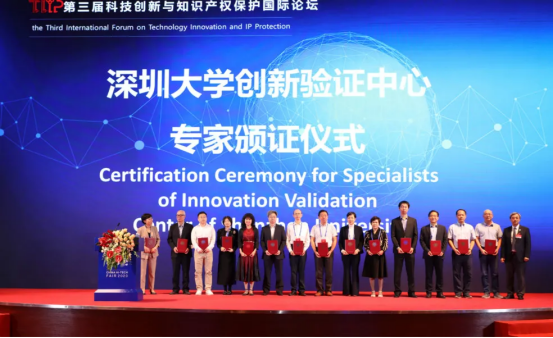
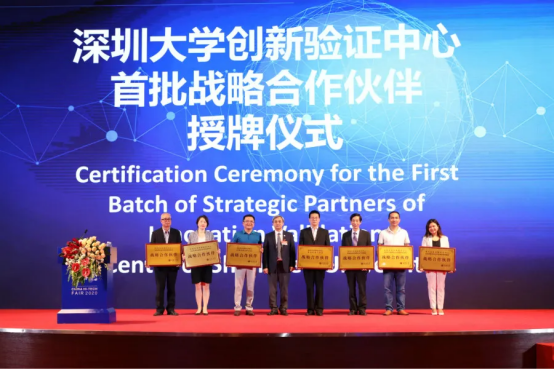
As an ancient Chinese adage goes: One masters music only after playing hundreds of melodies; one recognizes fine weaponry only after examining thousands of swords. The forum brought together IP professionals from China, the United States, Europe, Japan, the Republic of Korea, the Middle East, Southeast Asia and other regions for this landmark industry gathering, concluding with complete success.